
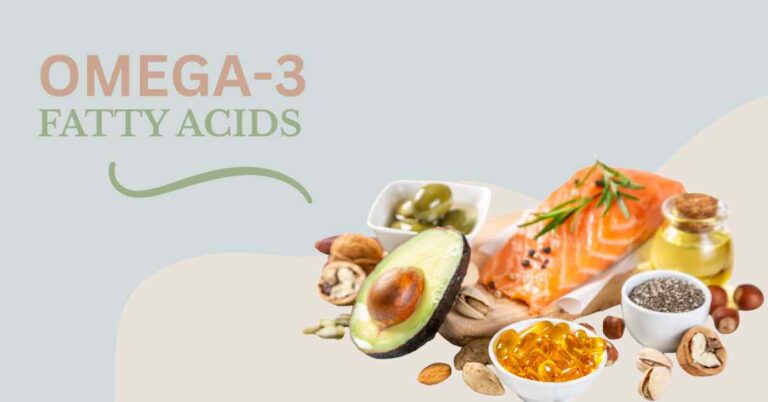
Omega-3 fatty acids are one of the most important and often under-consumed nutrients in the modern diet. These essential fats play a critical role in everything from heart health to brain function, yet many people are not getting enough of the right types.
In this article, we’ll break down
- what omega-3s are
- the different types that impact your health (ALA, EPA, and DHA)
- which foods are the best sources of omega-3
- how much you need
- when supplementation makes sense.
What Are Omega-3 Fatty Acids?
Omega-3s are a group of polyunsaturated fats that your body cannot produce on its own, so they must be provided from your diet. They are considered “essential fats” because they are required for normal physiological function.
There are three main types:
- ALA (alpha-linolenic acid) – found in plant-based foods
- EPA (eicosapentaenoic acid) – found primarily in fatty fish
- DHA (docosahexaenoic acid) – also found in fatty fish and critical for brain health
ALA vs. EPA vs. DHA: What’s the Difference?
ALA (Plant-Based Omega-3)
ALA is the most common omega-3 in the diet, especially for those eating more plant-based foods.
What it does:
- Supports general heart health
- Acts as a precursor to EPA and DHA
Important note:
Your body can convert ALA into EPA and DHA, but this process is very inefficient. Typically:
- Less than 10% converts to EPA
- Less than 1–5% converts to DHA
This means relying on ALA alone is usually not enough to meet your body’s needs for EPA and DHA.
Foods rich in ALA:
- Chia seeds (1 tablespoon): ~1.8 g ALA
- Walnuts (1 ounce): ~2.5 g ALA
- Ground flaxseed (1 tablespoon): ~2.35 g ALA
EPA (Anti-Inflammatory Powerhouse)
EPA is primarily responsible for many of the anti-inflammatory benefits associated with omega-3s.
What it does:
- Reduces inflammation
- Supports heart health
- May improve mood and mental health
Foods rich in EPA:
- Salmon (3 oz cooked): ~500–1,000 mg EPA
- Sardines (3 oz): ~400–700 mg EPA
- Mackerel (3 oz): ~600–1,000 mg EPA
DHA (Brain & Eye Health Essential)
DHA is a structural fat found in high concentrations in the brain and retina.
What it does:
- Supports brain development and cognition
- Maintains eye health
- Plays a role in nervous system function
Foods rich in DHA:
- Salmon (3 oz cooked): ~700–1,200 mg DHA
- Sardines (3 oz): ~500–800 mg DHA
- Tuna (3 oz): ~200–500 mg DHA
How Much Omega-3 Do You Need?
General Recommendations:
- Total omega-3 intake (ALA):
- Women: ~1.1 grams/day
- Men: ~1.6 grams/day
EPA + DHA Recommendations:
- Minimum for general health: 250–500 mg per day combined
- For heart health or inflammation support: 1,000–2,000 mg per day
- Higher therapeutic doses (under guidance): 2,000–4,000 mg per day
Most people fall short of these recommendations, especially when it comes to EPA and DHA.
Can You Get Enough from Food Alone?
It’s possible, but not always realistic.
To meet optimal EPA and DHA levels through food, you would need to consistently eat:
- Fatty fish like salmon, sardines, or mackerel at least 2–3 times per week
For many people, this doesn’t happen regularly. Add in concerns like taste preferences, cost, or mercury exposure, and intake often falls short.
Should You Supplement?
For most individuals, yes. Supplementation is a practical and effective way to meet omega-3 needs, especially for EPA and DHA.
General Supplement Guidelines:
- Baseline support: 500 mg EPA + DHA daily
- For inflammation, heart health, or elevated triglycerides: 1,000–4,000 mg daily
- Always look for:
- Third-party tested products
- High EPA + DHA content (not just “fish oil” total)
- Triglyceride or re-esterified triglyceride (rTG) forms for better absorption
If you follow a plant-based diet, consider an algae-based DHA/EPA supplement.
Why Omega-3s Matter for Your Health
Consistent omega-3 intake has been linked to:
- Reduced risk of heart disease
- Lower inflammation levels
- Improved brain health and cognitive function
- Support for mood and mental health
- Healthier skin and eyes
This is one of those foundational nutrients that impacts nearly every system in the body.
Ready to Optimize Your Omega-3 Intake?
If you’re not sure where to start, supplementation can be a powerful step toward improving your health.
👉 You can order high-quality, practitioner-grade omega-3 supplements directly through my Fullscript online pharmacy, where I’ve curated trusted options for purity, potency, and effectiveness.
Want Personalized Guidance?
Omega-3 needs can vary based on your diet, health goals, lab values, and medical history.
At Pure Nutrition & Wellness, I help clients:
- Determine the right omega-3 dosage
- Choose high-quality supplements
- Build a nutrition plan that supports long-term health
If you’re ready for a personalized approach, I’d love to work with you.
Your health is built on daily habits, and getting enough omega-3’s is a simple yet impactful change you can make.