
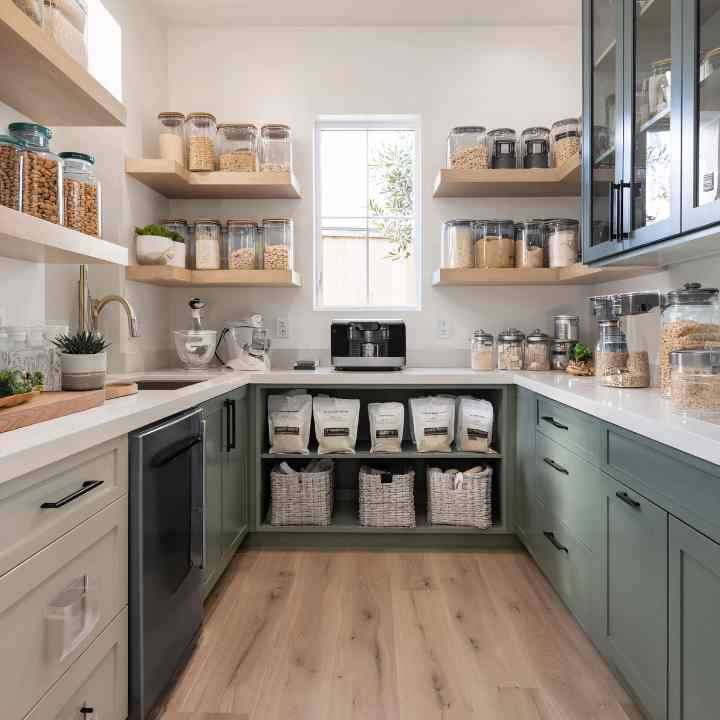
The new year is a natural time to reset habits, and one of the most powerful places to start is your kitchen. A well-stocked, intentional kitchen makes healthy choices easier, more automatic, and far less stressful on busy days.
Let’s break it down step by step.
Step 1: Reset the Pantry
Start by giving your pantry a good clean-out.
What to Toss
- Any bags of chips or crackers that have been open for more than two weeks
(Once opened, they’re usually stale and easy to mindlessly overeat.) - Expired canned goods
Check dates and toss anything past its prime. - Items you consistently overeat but don’t truly enjoy
(This is about awareness, not restriction.)
Limit Ultra-Processed Foods
There’s no formal definition of “ultra-processed,” but in general, these foods tend to:
- Contain long ingredient lists (more than ~5 ingredients)
- Include added sugars, salts, and refined fats
- Use flavor enhancers like MSG or hydrolyzed proteins
- Contain artificial flavors or preservatives
- Include ingredients not found in nature, like high-fructose corn syrup
You don’t need to eliminate these foods entirely, but keeping them limited and less visible (on the highest shelf rather than an arm’s reach) can make a big difference.
Step 2: Rebuild with Nourishing Pantry Staples
Stock your pantry with ingredients that make balanced meals easy:
Whole Grains & Legumes
- Steel-cut oats
- Whole-grain pasta
- Brown rice
- Quinoa
- Farro
- Lentils
- Beans (black, chickpea, kidney, white beans), canned for convenience or dried for saving money
Cooking Basics & Flavor Boosters
- Extra virgin olive oil
- Avocado oil
- Vinegars (balsamic, apple cider, red wine)
- Olives
- Low-sodium broths (great for soups, grains, and quick meals)
- Jarred roasted red peppers
- Jarred artichokes
- Red curry paste
Proteins & Healthy Fats
- Natural peanut butter (just peanuts + salt)
- A variety of nuts and seeds (without added oils, salt or unnatural flavor enhancers)
- Protein powder (whey or plant-based, minimal ingredients)
- Canned salmon and tuna (wild-caught when possible)
Natural Sweeteners & Condiments
- Pure maple syrup
- Local honey
- Salsa
- Mustard
- Soy sauce or coconut aminos (lower sodium options if available)
Herbs & Spices
A well-stocked spice drawer makes healthy food exciting:
- Garlic powder
- Onion powder
- Cinnamon
- Cumin
- Paprika
- Chili powder
- Italian seasoning
- Turmeric
- Ginger
- Oregano
- Basil
Step 3: Clean Out the Fridge
Go shelf by shelf and toss:
- Anything expired
- Produce that’s clearly past its prime
- Leftovers you’ve been “meaning to eat” for way too long
Then restock with foods that support quick meals and snacks.
Fridge Staples to Keep on Hand
- Low-fat cottage cheese
- Non-fat Greek yogurt
- Hummus
- Organic eggs
- A variety of fresh fruits (berries, apples, citrus)
- A variety of fresh vegetables (leafy greens, peppers, cucumbers, carrots)
Bonus adds you might not think of:
- Kefir or fermented veggies (gut health support)
- Fresh herbs
- Cheese- portioned mindfully
Step 4: Refresh the Freezer
Your secret weapon for busy weeks
A well-stocked freezer makes healthy eating doable when life gets hectic.
Freezer Essentials
- Frozen vegetables (broccoli, green beans, stir-fry blends)
- Frozen fruit (berries, mango, pineapple)
- Lean meats (chicken, turkey)
- A variety of wild-caught fish (salmon, cod, shrimp)
Other helpful freezer items:
- Pre-cooked grains
- Homemade soups or chili
- Frozen herbs
- Edamame
Stocking a healthy kitchen isn’t about being “good” or “bad” with food. It’s about designing your environment for success, making the nourishing choice the easy choice.
You don’t need to do this all at once. Start with one area this week. Notice how it feels to open your pantry or fridge and see foods that support your goals.
Small changes, done consistently, add up.
Here’s to a kitchen and a year that truly supports your health.