
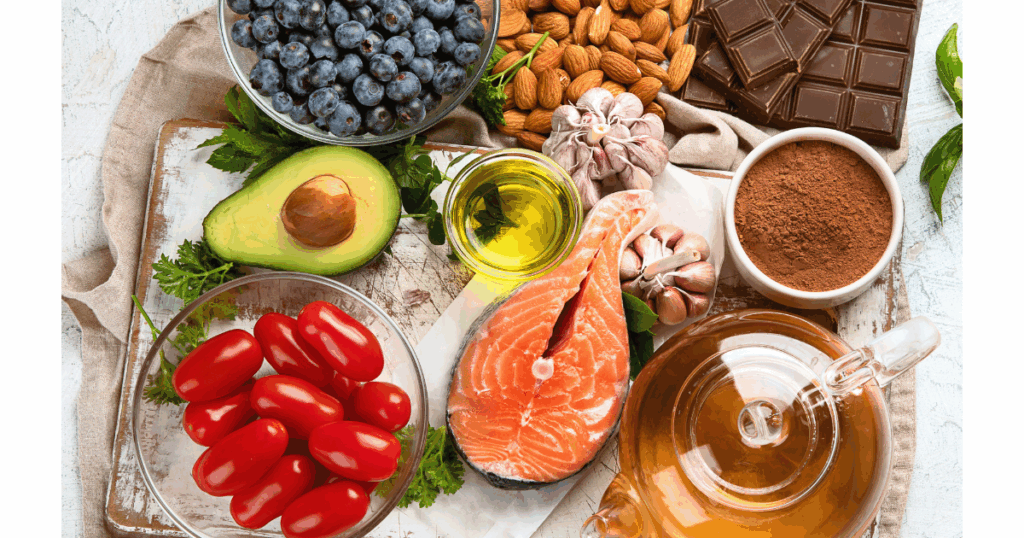
Inflammation is a natural defense mechanism- your body’s way of responding to stress, injury, or harmful invaders. In the short term, it’s essential for healing. But when inflammation lingers due to ongoing stress, poor diet, or other lifestyle factors, it can quietly fuel chronic conditions like heart disease, osteoporosis, autoimmune disorders, and even certain cancers. This is why reducing chronic inflammation has become a key focus in nutrition and wellness. While food plays an important role, lifestyle and environmental choices also significantly influence inflammation and overall health. In this post, I’ll share 10 practical ways to lower inflammation, starting with your plate.
1. Focus on a Variety of Fresh, Whole Foods
When it comes to fighting inflammation, variety is your friend. Building meals around fresh, whole foods from every food group provides your body with the nutrients it needs to repair, restore, and thrive.
Fruits and Vegetables
Produce is packed with antioxidants- compounds that help neutralize free radicals and protect your cells from damage. Whenever possible, choose organic to limit pesticide exposure, but if you can’t, don’t let that keep you from enjoying conventionally grown options. Eating any fruits and vegetables, wether organic or conventionally grown, is far better than reaching for processed foods. If you’d like to prioritize organics, start with the Environmental Working Group’s “Dirty Dozen” which highlights the produce most likely to carry pesticide residue. Either way, aim for a rainbow of colors on your plate. Some of the most powerful anti-inflammatory picks include citrus fruits (oranges, lemons, grapefruit), cruciferous vegetables (broccoli, Brussels sprouts, kale, collards), garlic, onions, and sweet potatoes.
Animal Protein
When choosing meat and poultry, look for grass-fed or pasture-raised options whenever possible. These contain more omega-3 fats, which help reduce inflammation, and are raised without growth hormones or unnecessary antibiotics. Lean protein sources like skinless chicken breast or lean ground turkey are great options. Limit red meat consumption to 1 or 2 servings per week for heart health- if grass-fed isn’t available, organic is the next best option.
Eggs
Eggs are a nutrient-rich protein source with vitamins, minerals, and fats. Eggs from free-roaming or pasture-raised hens have higher omega-3 levels, so opt for these over cage-free (tricky terminology here- pasture-raised and cage-free are not the same thing). While yolks do contain cholesterol, moderate intake (about one to two eggs per day) fit nicely into a heart-healthy, anti-inflammatory diet.
Fish
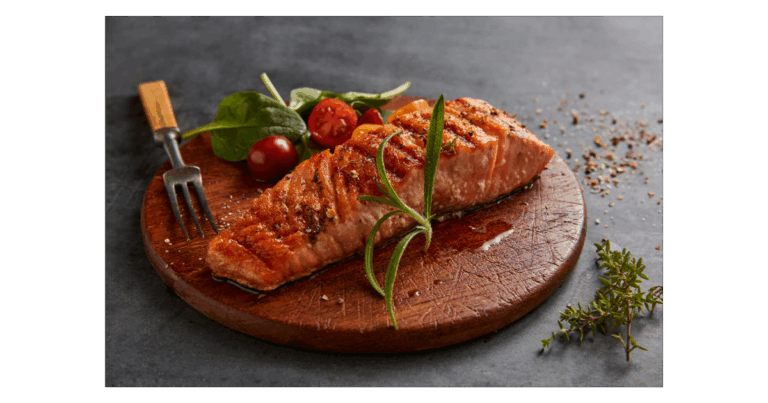
Oily fish are one of the best anti-inflammatory foods you can eat. Aim for two servings per week of fish like wild-caught salmon, sardines, mackerel, herring, or anchovies– all excellent sources of omega-3s. Avoid overconsumption of large predatory fish like shark, swordfish, and king mackerel, which tend to have higher mercury levels.
Healthy Fats
Not all fats are created equal. Fats can be categorized as saturated and unsaturated based on the degree of saturation with hydrogen in their molecular structure. In general, saturated fats are solid at room temperature and include foods like butter, lard, and coconut oil. Unsaturated fats are typically liquid at room temperature, like most vegetable oils. However, many whole foods like nuts, seeds, chia seeds, olives, and avocados are also rich in unsaturated fats- even though they appear solid, their predominant fat type is unsaturated. High intake of saturated fats is associated with increased incidence of heart disease and high LDL (bad) cholesterol. Unsaturated fats, specifically extra virgin olive oil and avocado oil are heart healthy options. That’s not to say that butter and other saturated fats are off limits, but moderation is warranted.
Unsaturated fats can be further classified as omega-3, 6 and 9. Each plays important roles in our body, but equally important is maintaining a healthy ratio of 3 to 6 to 9. Omega-6 fats are the predominant fat in Western diets. Although they are essential in our diets since we need them for cellular function, they are pro-inflammatory, and we tend to drastically over consume omega-6 fats while under consuming anti-inflammatory omega-3’s. Omega- 3 and omega-9 fats have anti-inflammatory and heart protective qualities. So, what foods are sources of each type of fat? I’m going to generalize here: Omega-6 fats are found in refined vegetable oils (canola, soybean oil). Omega-3’s are found in certain types of fish, chia seeds, flax seeds, and walnuts. Omega-9’s are found in extra virgin olive oil. To get anti-inflammatory benefits from fats in your diet, focus on eating more omega-3 and 9 rich foods like extra virgin olive oil, avocados, avocado oil, fish oil, nuts and seeds.
Legumes
Legumes include beans, peas and lentils. These foods are great sources of fiber, vitamins and minerals, and are also a great plant-based protein. There has been some debate about anti-nutrients in legumes being harmful to our digestive tracts. This idea stems from legumes’ high level of lectins, proteins that help the plant avoid digestion. However overnight soaking followed by boiling destroys the lectins so there is little potential for digestive distress in most people. Listen to your body. If you notice that certain types of legumes don’t agree with you, don’t eat them.
Herbs and Spices
Herbs and spices are an excellent way to add both flavor and anti-inflammatory ingredients to your food. Turmeric and ginger are favorites in Asian cuisine and well-known for being anti-inflammatory. Both are sold as supplements, but can be enjoyed fresh or as a dried spice. Try steeping freshly grated ginger and turmeric in boiling water to make tea or add them to a fruit and vegetable smoothie. Oregano is another powerful herb loaded with anti-inflammatory and antibacterial properties. I could write an entire post on each herb and its many benefits- mint, parsley, basil, rosemary, sage, thyme, cilantro, marjoram, etc. Adding them to cooked meals or fresh salads unleashes the healing power of plants to fight inflammation in your body. An added bonus- many herbs are easy to grow so you can always have them on hand.
2. Limit Added Sugar and Processed Foods
Table sugar, also known as sucrose, adds empty calories to your diet and fuels harmful bacteria in your gut. Many processed foods are loaded with added sugars and chemicals that can drive inflammation, making it essential to read food labels closely. Don’t just check the “added sugars” line on the nutrition panel- scan the ingredient list, too. Sugar hides under many names, including agave nectar, brown rice syrup, maltose, high fructose corn syrup, cane juice, coconut sugar, barley malt, dextrose and more. Ingredients are listed in descending order by weight, so if sugar (or one of its aliases) appears near the top, that food likely contains a significant amount. When in doubt, look up unfamiliar ingredients so you know exactly what you’re putting into your body.
3. Heal Your Gut
Your gut is home to trillions of microbes- collectively known as the gut microbiome- that play a vital role in digestion, immune function, and even communication with your brain and other organs. When this delicate balance is disrupted by factors such as antibiotics, alcohol, or a highly processed, inflammatory diet, the health of your gut lining can also be compromised.
The cells that line your gastrointestinal (GI) tract form a protective barrier, keeping toxins and food particles inside the gut where they belong. If these cells are damaged, unwanted substances can “leak” into the bloodstream, triggering systemic inflammation. This process, sometimes called intestinal permeability or “leaky gut,” is linked to a variety of health concerns.
To support a strong gut barrier and a healthy microbiome:
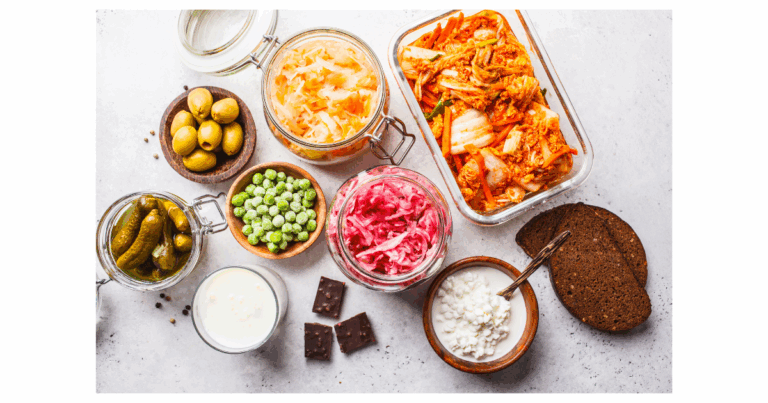
- Include fermented foods such as sauerkraut, kimchi, yogurt, or kefir. These provide beneficial probiotics that help restore microbial balance. (Tip: choose cultured dairy products with little or no added sugar.)
- Consider a probiotic supplement if you need extra support- especially after antibiotics, alcohol or digestive issues.
- Feed your good bacteria with prebiotics. Prebiotics are types of fiber that nourish beneficial microbes and help them thrive. Good sources include garlic, onions, asparagus, bananas, oats, and legumes.
By prioritizing gut health, you not only improve digestion but also strengthen your immune system and reduce chronic inflammation throughout the body.
4. Increase Your Intake of Omega-3 Fatty Acids
Omega-3 fatty acids are essential polyunsaturated fats that your body cannot produce on its own, meaning they must come from your diet. There are three main types:
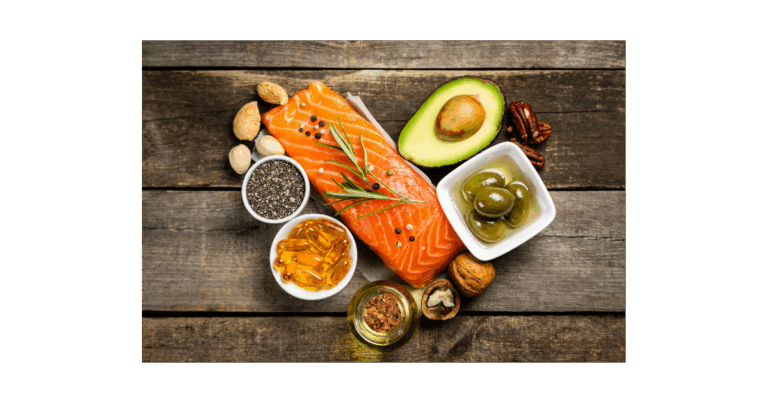
- ALA (alpha-linolenic acid): Found primarily in plant sources like walnuts, flaxseeds, chia seeds, and soybeans.
- EPA (eicosapentaenoic acid) and DHA (docosahexaenoic acid): Found mainly in marine sources such as fatty fish, algae, and krill, with smaller amounts present in grass-fed meats and poultry.
Most people consume enough ALA, but intake of EPA and DHA is often inadequate. This is significant because EPA and DHA are the most biologically active forms and provide powerful anti-inflammatory benefits. They also support heart health, brain function, and eye health.
To optimize your omega-3 intake:
- Eat fatty fish such as salmon, sardines, herring, and mackerel (avoid king mackerel due to mercury content) at least twice per week.
- Look for fortified foods that contain EPA and DHA.
- Consider a high-quality omega-3 supplement if you don’t eat enough fish. Because supplements are not well regulated, choose brands that use third-party testing or consult a dietitian or healthcare provider for recommendations. My favorite fish oil brand is Nordic Naturals. You can read more about selecting high-quality supplements here.
The current Dietary Guidelines for Americans suggest consuming at least 250 mg of EPA and DHA daily for adults, but emerging research indicates that higher intakes may offer even greater health benefits. Whenever possible, focus on food sources first and use supplements as an additional boost when needed.
5. Check Your Vitamin D Status

Vitamin D is more than just a vitamin- it functions as a pro-hormone that influences hundreds of processes in the body, including immune function, bone health, and inflammation regulation. Despite the fact that our skin can produce vitamin D when exposed to sunlight, deficiency is widespread. Modern lifestyles, sunscreen use, limited outdoor time, and geographical location all contribute to low levels in much of the population.
Food sources of vitamin D are limited. Fatty fish like salmon and tuna naturally contain small amounts, while some foods such as milk, orange juice, and cheese are fortified to help boost intake. Still, diet alone rarely provides enough.
The current Recommended Dietary Allowance (RDA) *this is a goal for daily intake that will meet the nutritional needs of most people* is:
- 600 IU per day for adults ages 18–70
- 800 IU per day for adults over 70
However, research suggests that many people require higher amounts to maintain optimal blood levels. The most accurate way to know if you’re meeting your needs is through a serum 25(OH)D blood test, which can often be done at your annual physical, and may be covered by insurance.
If you’re deficient, supplementing with 1,000–2,000 IU per day is often sufficient to restore healthy levels within about six months, though more may be needed in cases of severe deficiency. Work with your dietitian or other healthcare provider to determine the right dose for you.
Maintaining adequate vitamin D status is critical for modulating inflammation, protecting beneficial gut bacteria, and strengthening the intestinal barrier– all key factors in reducing chronic inflammation and supporting overall health.
6. Exercise

Regular physical activity is one of the most powerful tools for lowering inflammation- and its benefits go far beyond weight management. While researchers are still uncovering the exact biological pathways, exercise is known to influence the immune system in ways that reduce pro-inflammatory markers in the body. It’s important to note that his effect is not simply due to fat loss; even individuals who don’t lose weight experience anti-inflammatory benefits from being active.
The good news is that you don’t need intense workouts to see results. Research shows that as little as 20 minutes of moderate activity per day, such as brisk walking, can trigger measurable anti-inflammatory effects. Over time, consistent movement also improves circulation, supports cardiovascular health, enhances mood, and strengthens the body’s resilience to stress.
In short, regular exercise is a simple, accessible way to calm inflammation while promoting overall health and well-being.
7. Manage Stress with Mindfulness and Joyful Activities

Stress is one of the most overlooked drivers of chronic inflammation. When your body is stuck in a constant “fight-or-flight” state, stress hormones like cortisol and adrenaline remain elevated, which can trigger inflammatory pathways, disrupt sleep, and affect digestion. The good news is that you can counteract this by intentionally practicing relaxation and incorporating activities that restore balance.
Mindfulness and Relaxation Practices
Techniques such as meditation, yoga, stretching, journaling, and deep breathing have been shown to reduce stress hormones, calm the nervous system, and even decrease emotional eating behaviors. Just 5–10 minutes per day of intentional stillness can improve mental clarity and lower inflammation.
Joyful and Restorative Activities
Stress relief doesn’t always have to be structured. Doing things you love- whether reading, gardening, painting, walking in nature, or cooking- can be equally powerful. Social connection also plays a key role in well-being, so spend time with friends and family, play games, or share a meal together. Even simple pleasures like enjoying a warm bath or sipping tea by a fire can help your body relax.
The key is to find what feels restorative to you and make it part of your regular routine. By combining mindful practices with activities that bring you joy, you can lower stress, reduce inflammation, and strengthen both your physical and emotional resilience.
8. Prioritize Sleep
Sleep is one of the most powerful tools we have for healing and longevity. Quality rest allows the brain to process thoughts and emotions, regulates appetite, strengthens the immune system, and helps control inflammation. In fact, inadequate or poor-quality sleep is strongly linked to higher levels of chronic inflammation and an increased risk of disease.
Sleep is guided by the circadian rhythm– your body’s internal clock that responds to natural light and darkness. Most adults need 7–9 hours per night, but the best indicator is how you feel in the morning. If you regularly wake up groggy, irritable, or still tired, the quality or quantity of your sleep may be compromised.
Tips for Better Sleep:
- Stay consistent: Go to bed and wake up at the same time every day, even on weekends.
- Limit blue light: Reduce screen time (phones, tablets, TVs) at least 1–2 hours before bedtime.
- Watch caffeine and meals: Avoid caffeine within 6 hours of bedtime, and finish your last meal about 3 hours before bed. If you’re hungry, choose a small, light snack.
- Be mindful of alcohol: While alcohol can make you drowsy initially, it disrupts the sleep cycle later in the night leading to reduced REM sleep and poor sleep quality.
- Create the right environment: Keep your bedroom cool, dark, and quiet. Blackout curtains or an eye mask can help block out light, while earplugs or a white noise machine can minimize disruptions.
Making sleep a priority shouldn’t just be a luxury- it’s a cornerstone of lowering inflammation and protecting your long-term health.
9. Pay Attention to Your Body's Signals
Not all foods affect people in the same way. A food that triggers inflammation in one person may be perfectly well tolerated by another. For example, some individuals experience digestive issues or joint pain when consuming dairy or gluten, while others can eat them without difficulty.
The key is to tune in to your body’s responses. Pay attention to how you feel after meals- your energy levels, digestion, mood, skin, and even sleep can provide clues. Keeping a simple food and symptom journal can help you identify patterns and uncover potential triggers.
By learning which foods support your health and which ones may be causing problems, you can make more personalized choices to reduce inflammation and promote overall well-being.
10. Limit Environmental Toxins
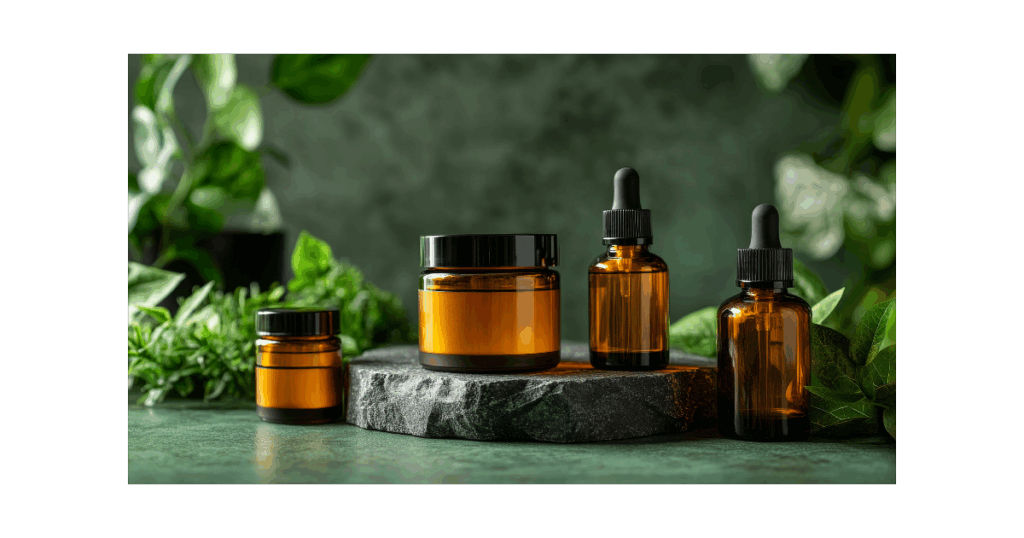
Environmental toxins are part of daily life- they’re found in the air we breathe, some of the foods we eat, plastics, canned food linings, cleaning products, and even the lotions and creams we apply to our skin. While it’s impossible to avoid all toxins, being mindful of your exposure can help reduce your overall “toxic load” and support your body’s natural detoxification systems.
The good news is that your liver, kidneys, skin, and lungs are constantly working to filter and eliminate harmful substances. But the more you can reduce unnecessary exposure, the less burden your body has to manage. This doesn’t mean living in fear or trying to eliminate every possible toxin- that would be unrealistic and stressful. Instead, focus on making small, sustainable choices where you can, such as:
- Choosing glass or stainless steel over plastic containers
- Opting for fragrance-free or natural cleaning products
- Being selective with personal care items like lotions, shampoos, and makeup
- Eating fewer highly processed foods and more whole foods
Remember, it’s about awareness and balance. Every step you take to lower your toxic load gives your body more room to do what it does best- heal, repair, and thrive.
Lowering inflammation doesn’t have to mean overhauling your entire lifestyle overnight. Small, consistent changes, whether it’s adding more colorful produce to your plate, moving your body daily, prioritizing sleep, or creating moments of calm, can add up to big benefits over time. Every step you take to reduce chronic inflammation supports healing, resilience, and long-term health. Start with one or two strategies that feel most doable for you, and build from there. Your body will thank you for even the smallest steps toward lowering inflammation and creating a healthier life.