

We receive a bounty of health benefits from a good night’s sleep, and lack of adequate sleep quality and quantity negatively affects every body system, weakening your immune response, contributing to depression and anxiety, slowing your metabolism, hijacking your hormones, lowering cognitive function, increasing internal inflammation, and the list goes on. Clear links exist between insufficient sleep and chronic health problems, like cardiovascular disease, diabetes and obesity. Sleep is equally as important as good nutrition and exercise in maintaining vibrant health, yet so many find it difficult to unwind at the end of a stressful day and get in bed with enough time to allow for a sufficient amount of sleep.
How Much Sleep Is Optimal?
The optimal amount of sleep varies from person to person, but the National Sleep Foundation defines adequate sleep as 7 – 9 hours per night for young adults and adults, and 7 – 8 hours for older adults. Most Americans fail to meet those recommendations; according to the National Institute of Health, 1 in every 3 Americans don’t get enough quality sleep at night. That’s a big deal considering the negative health outcomes associated with lack of sleep.
Nutrition and Sleep
MICRONUTRIENTS
Lack of sleep can impact nutritional choices by suppressing our satiety hormones and augmenting our hunger hormones, setting the stage for an insatiable appetite and eating beyond our physical needs. We are also more likely to crave sweet and/or salty foods when we are sleep deprived. But our nutrition can also impact our sleep.
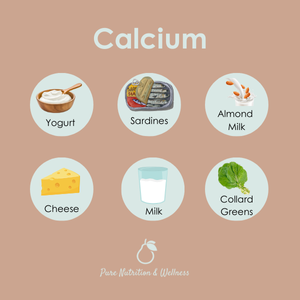
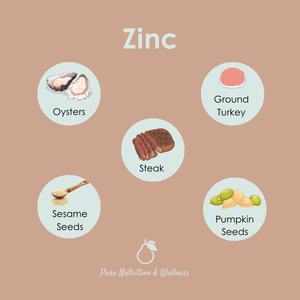
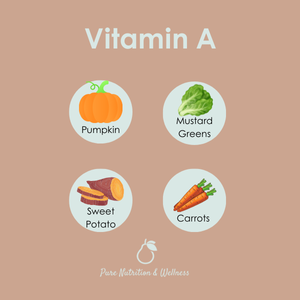
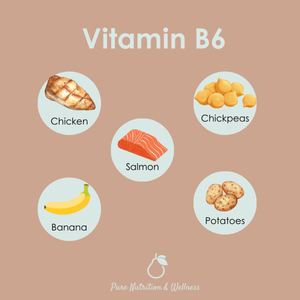
Research has shown that individuals with inadequate intake or deficiency in certain vitamins and minerals including magnesium, calcium, zinc and vitamins A, B6, B9, C, D and E are more likely to experience shorter sleep durations than those who have an adequate intake of these micronutrients. If you have sleep troubles, paying closer attention to your intake of these micronutrients could steer you toward a better night’s sleep. While many turn to supplements for a quick boost in vitamins in minerals, supplements are poorly regulated, so picking a good quality supplement from a reputable source is essential. However, before turning to supplements, first consider filling in nutritional gaps with nutrient-rich foods. Check out the graphics below displaying foods that are rich sources of the vitamins and minerals related to poor sleep and challenge yourself to prepare a meal plan that includes foods to support a good night’s sleep. If you still need help meeting your nutritional needs, consider taking a high quality multivitamin like Pure Encapsulations O.N.E. Multivitamin. If you want to learn more about picking the right supplement, read this post.

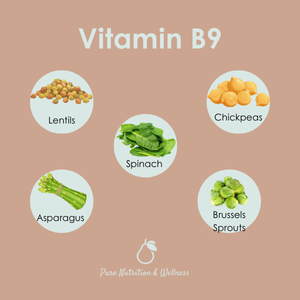

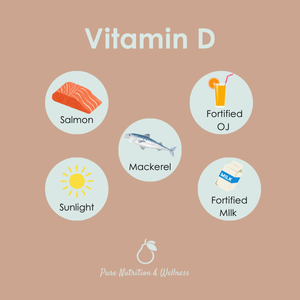
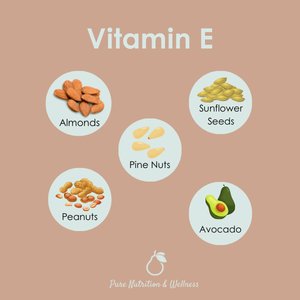
MACRONUTRIENTS AND EATING PATTERNS
Macronutrients (carbohydrates, proteins and fats) play a role in promoting rejuvenating sleep too.
Carbs: Unsurprisingly, consuming large amounts of high-glycemic carbs like sugar, refined flour, and pastries are associated with poor sleep. Instead focus on carbs like whole grains, legumes (lentils & beans), fruits and vegetables.
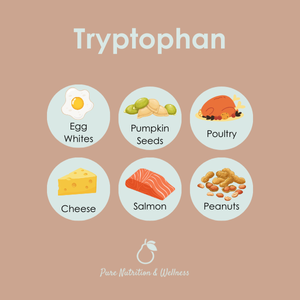
Proteins: Diets deficient in amino acids (small molecules that make up proteins) can impair sleep quality. Two amino acids, tryptophan and glycine, stand out as superstars in promoting healthy sleep. Tryptophan is an essential amino acid, and that means it must be supplied from the food we eat. Tryptophan is converted into a molecule used to make serotonin and melatonin, both of which influence sleep and play a role in the sleep/wake cycle. The graphic below shows foods that are high in tryptophan.
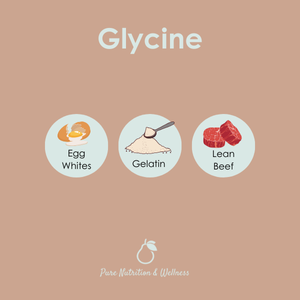
Glycine is a conditionally essential amino acid, so we can make glycine from other substances in our body without directly eating it in our food, but it becomes essential in times of illness or stress. Glycine is often sold as a supplement to improve insomnia, but at this time, there is insufficient evidence to support the claim that supplementing with glycine relieves insomnia. Studies indicate that glycine has potential to lower core body temperature which is necessary to induce sleep, and increases serotonin which is involved in sleep regulation.
Fats
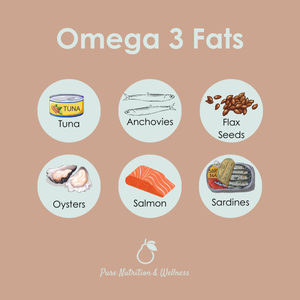
Omega-3 fats are essential to brain health, and low levels of one specific type of omega-3 fat called DHA is linked to poor sleep quality. Although more research on the relationship between quality sleep and omega-3 intake is needed, some research indicates that increased levels of omega-3 fats are linked to better quality sleep and faster time to fall asleep. Mechanisms by which omega-3s improve sleep are not completely clear, but a few notable observations have been made- one is that low levels of omega-3 fats cause a deficiency in melatonin, a molecule that plays a vital role in sleep/wake cycles. Another notable relationship between omega-3s and sleep: omega-3 fats are well known for their anti-inflammatory properties and this plays a role in the reduction of sleep apnea symptoms. An easy way to boost your omega-3 intake is to eat fatty fish like salmon or mackerel three times a week or take a quality omega-3 fish oil supplement like Nordic Naturals.
Overall, an anti-inflammatory Mediterranean style eating pattern supports restorative, quality sleep. Mediterranean style eating focuses on whole fresh foods including fruits, vegetables, legumes, grains, nuts, seeds and fish with moderate amounts of poultry. Red meat and sweets are limited. Mediterranean eating also takes into account lifestyle choices and promotes ample movement throughout the day and enjoying meals with family and friends- it truly is a lifestyle not just a “diet” plan.
While good nutrition can certainly impact your sleep, it’s not the only thing that matters in creating the restorative sleep patterns so many people need. Often a combination of well-balanced, anti-inflammatory nutrition paired with improved sleep hygiene routines will yield the quality sleep necessary to promote better health and well-being.
Level Up Your Sleep Hygiene For Truly Restorative Sleep
If you really want to enjoy the benefits of truly rejuvenating sleep each night, along with improvements to your nutrition and dietary patterns also look for areas where you can improve your sleep hygiene.
Our sleep follows a 24 hour circadian rhythm which is normally attuned to the rising and setting of the sun for most people, although modern lifestyle attempts to disrupt that natural rhythm. We all have an internal biological clock called the suprachiasmatic nucleus, located in the brain, that regulates our sleep/wake cycle. The suprachiasmatic nucleus instructs the pineal gland (a gland in your brain) to secrete melatonin in response to a decrease in natural light in the evening as well as in response to a drop in your core body temperature. Melatonin then delivers a message signaling that it is time to go to sleep. Melatonin does not actually help with the process of getting to sleep, but is simply a messenger necessary to initiate the biological sleep process.
Sleep is also influenced by “sleep pressure” caused by the build up of a natural chemical called adenosine. From the moment you wake, adenosine builds up in your brain increasing your desire to sleep. As you near bedtime, 12 to 16 hours after waking, your sleep pressure should be strong enough to induce an urge to go to sleep. Caffeine blocks the effect of adenosine, so if you have too much caffeine and therefore can’t sleep, or you are not getting adequate sleep, adenosine builds up and you carry an adenosine debt over to the next day leaving you feeling lethargic. When we experience a full, restful night’s sleep, adenosine is eliminated from the brain allowing us to awake feeling rejuvenated and alert.
RECIPE FOR A GOOD NIGHT'S SLEEP
Step 1: Expose Yourself To Natural Light First Thing In The Morning
A good night’s sleep starts in the morning. As soon as possible, expose yourself to natural light outdoors, and if that’s not an option, open the blinds or expose yourself to bright (artificial) light, preferably from a light therapy lamp which imitates sunlight. Spend at least 60 minutes outdoors throughout the day if possible.
Step 2: Avoid Caffeine After 12:00 PM
Choose non-caffeinated beverages and foods after noon. Caffeine has an average half life of 5 to seven hours (5 to 7 hours after drinking a cup of coffee, you are only half way through the process of breaking down the caffeine and eliminating its stimulating effects). Caffeine is found in both regular and decaf coffee, some teas, energy drinks, chocolate, some medications, etc.
Step 3: Avoid Naps After 12:00 PM
If you must take a nap, do so in mid morning. Mid – morning naps can help you recover your sleep debt, but naps too late in the day will cause difficulty falling asleep and contribute to an even bigger sleep debt the following day.
Step 4: Exercise Daily
Exercise for at least 30 minutes each day. Get it in at least 2 to 3 hours before bed time so that your body has time to recover. Bonus if you can schedule your workout at the same time every day at least 3 hours before bed – keeping your schedule the same each day (eating at the same time, exercising at the same time, waking and going to bed at the same time, etc) promotes a healthy circadian cycle and improves sleep!
Step 5: Keep Your Sleep Cycle Consistent
Go to bed and wake up at the same time every day, even on the weekends. Human bodies thrive on a schedule. Trying to catch up on sleep lost during the week by sleeping in on the weekend is a losing battle. You won’t be able to fully catch up on lost sleep and you will make it more difficult to fall asleep at your appropriate time on Sunday night thus increasing your overall sleep dept.
Step 6: Go To Bed With Enough Time To Allow 8-9 Hours Resting In Bed
Allow yourself adequate sleep opportunity- at least 8 to 9 hours in bed for adults. This means that even if you are not asleep, you are lying in bed with the lights out (not scrolling on your device or watching tv) providing yourself the opportunity for sleep. With our modern world’s busy schedule, prioritizing sleep is a challenge, yet clearing your schedule to allow yourself an appropriate opportunity for sleep has a profound impact on your health and wellbeing. Consider setting an alarm clock to remind you to go to bed, or use a sleep app with an alarm to signal when it’s time to wind down.
Step 7: Avoid Blue Lights In The Evening
Limit evening exposure to artificial light and especially to blue light, both of which disrupt melatonin production. In the evening, light your home with dim, soft incandescent lights (small lamps rather than brighter overhead lighting). Incandescent bulbs produce some blue light, but not nearly as much as fluorescent lights, which still have less than LED lighting. Computers, iPads, cell phones, tv’s, etc. all emit blue light as well, and it’s best to avoid use two hours prior to bedtime. Consider wearing yellow-tinted blue light blocking glasses indoors in the evening to filter out the disruptful blue light, and always wear them when looking at a screen in the evening.
Step 8: Avoid Alcohol and Large Meals 1 – 2 Hours Before Bed
Avoid eating large meals and drinking alcohol 1 to 2 hours before bed. While alcohol may be somewhat effective in helping you fall asleep, it disrupts your sleep cycle and will cause you to wake prematurely in the middle of the night. A small snack before bed is ok if you are hungry, but a large meal could disrupt your sleep.
Step 9: Ensure Your Bedroom Is Dark
Create a peaceful, dark sleeping environment. Eliminate all light through the night by using blackout curtains, covering light sources, or wearing a sleep mask.
Step 10: Create A Relaxing Bedtime Routine
Prioritize at least 30 minutes before you plan to go to bed for time to unwind. Read, take a warm bath, journal, practice gratitude, meditate, listen to soft soothing music, practice gentle stretching, or anything that helps you feel calm. Try to stick to a similar routine each night.
Step 11: Take A Hot Bath Before Bed
The decrease in your core body temperature when you get out of the tub will signal your suprachiasmatic nucleus to trigger the secretion of melatonin to initiate the sleep response. For added therapeutic benefits, add lavender essential oil and epsom salt to your bath. If bathing is not for you, consider soaking your feet in warm water or taking a hot shower.
Step 12: Trigger A Decrease In Body Temperature
Your body temperature must drop by 2 to 3 degrees Fahrenheit to initiate and maintain sleep. Splash your face with water before bed and allow it to evaporate off your skin (evaporation is a cooling process). Decrease your thermostat an hour or so before bed. 65 degrees Fahrenheit is an optimal temperature for most people, assuming you sleep with covers. Warm hands, feet, and head act as vessels for heat loss from your core- soak in a hot bath to dilate your blood vessels, bringing your warm blood away from your core and along with it, heat. Hot showers work well too.
Step 13: Create A Sleep Haven In Your Bedroom
Make sure your room is organized and clean, with clean sheets and a well-made, comfortable bed. Your room should be free of any disruptful noise. Consider using a soothing sound machine and/or ear plugs.
Consider adding to the soothing environment by diffusing a relaxing essential oil like Lavender or Vetiver.
There’s no lack of suggestions here to improve your sleep. On one hand, all these tips may help you find the key to your restful night’s sleep while on the other hand, so many tips might feel overwhelming leading you to give up and not try anything at all. So here’s one more suggestion: instead of allowing your mind to focus on making ALL the changes, pick JUST ONE thing to change today. The one thing you actually pick matters less than stepping into action with your single change. Just get started and you can add on to your sleep improvement strategy later. Once you establish consistency with one sleep habit, add another. So, what will you implement today to get a better night’s sleep?
WHEN A GOOD NIGHT'S SLEEP IS ELUSIVE
If restorative sleep is truly elusive even after adjusting your diet and sleep hygiene, consider seeing a sleep specialist to rule out any sleep disorders that may be interfering with a good night’s sleep.